
Table of Contents
Mexico is one of North America’s most important manufacturing and export hubs. Its major industries include automotive, aerospace, electronics, medical devices, metals, plastics, textiles, furniture, and glass manufacturing. This guide examines the capabilities, geographic clusters, and sourcing opportunities available in each sector.
Why Mexico Is a Major Manufacturing Hub
Mexico has developed into one of North America’s most important manufacturing centers. Its proximity to the United States, access to international markets, established industrial clusters, skilled workforce, and extensive supplier base make the country attractive to companies seeking manufacturing and sourcing alternatives.
Manufacturing represents approximately 20% of Mexico’s GDP. Advanced manufacturing is especially important in the automotive, aerospace, medical equipment, and electronics sectors. Nearshoring has also increased interest in Mexican suppliers as companies look for shorter supply chains and closer coordination with North American customers.
Mexico’s manufacturing capabilities vary considerably by region. The Bajío is recognized for automotive, aerospace, and heavy machinery; northern Mexico has strong automotive, electronics, appliance, aerospace, and medical-device clusters; and Jalisco has become an important location for electronics, semiconductors, and technology.

Major Manufacturing Industries in Mexico
| Industry | Common products and capabilities | Important manufacturing regions |
|---|---|---|
| Automotive | Vehicles, engines, transmissions, electrical systems, and components | Guanajuato, Coahuila, Puebla, Aguascalientes, Nuevo León |
| Aerospace | Aircraft components, assemblies, wiring, machining, and maintenance | Querétaro, Chihuahua, Sonora, Baja California |
| Electronics | Electronic assemblies, semiconductors, appliances, and telecommunications equipment | Jalisco, Baja California, Chihuahua, Nuevo León |
| Medical devices | Surgical instruments, disposable products, diagnostic equipment, and components | Baja California, Chihuahua, Jalisco |
| Metalworking | Machining, stamping, casting, welding, and fabricated components | Nuevo León, Coahuila, Querétaro, Guanajuato |
| Plastics | Injection molding, thermoforming, extrusion, packaging, and assembly | Bajío, Nuevo León, Jalisco, border region |
| Furniture | Residential, commercial, hospitality, and outdoor furniture | Jalisco, Nuevo León, Estado de México |
| Glass | Bottles, tableware, decorative pieces, containers, and architectural glass | Jalisco, Nuevo León, Estado de México |
The ideal manufacturing location depends on the product, required process, materials, production volume, certifications, logistics, and destination market.
Automotive Manufacturing
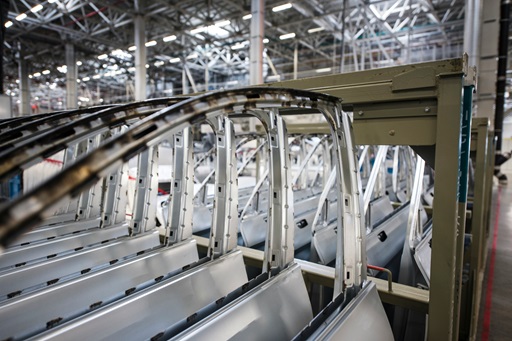
The automotive industry is one of Mexico’s largest and most developed manufacturing sectors. The country has an extensive network of vehicle assembly plants, Tier 1 and Tier 2 suppliers, tooling companies, metalworking operations, plastics manufacturers, and logistics providers.
According to the International Trade Administration, Mexico has 37 light-vehicle manufacturing plants across 12 states, including facilities dedicated to vehicles, engines, and transmissions.
Manufacturing capabilities in this sector include:
- Plastic injection molding
- Metal stamping and machining
- Wiring harnesses
- Electronic components
- Seating and interior components
- Engines and transmissions
- Painting, assembly, and testing
Companies outside the automotive sector can also benefit from this supplier ecosystem. Manufacturers serving automotive customers often have experience with quality systems, documented processes, traceability, high-volume production, and demanding specifications.
Aerospace Manufacturing
Mexico’s aerospace industry specializes in component manufacturing, precision machining, electrical systems, assemblies, maintenance, and engineering services.
Important aerospace clusters are located in Querétaro, Chihuahua, Sonora, Baja California, and Nuevo León. These regions provide access to specialized manufacturers and a workforce experienced in advanced production processes.
Aerospace projects generally require more extensive supplier qualification than ordinary consumer products. Buyers should evaluate certifications, material traceability, inspection capabilities, documentation, equipment, and experience with regulated supply chains.
Mexico’s aerospace sector is particularly relevant for companies looking for:
- Maintenance and engineering services
- Precision-machined components
- Electrical and electronic assemblies
- Metal structures
- Composite components
- Specialized surface treatments

Electronics Manufacturing
Mexico is an established producer of electronic components, appliances, telecommunications equipment, computers, automotive electronics, and assembled products.
Jalisco is one of the country’s most recognized electronics and technology clusters. Baja California, Chihuahua, Nuevo León, Sonora, and Tamaulipas also have important electronics manufacturing operations.
Depending on the supplier, available capabilities can include:
- Printed circuit board assembly
- Cable and wire-harness production
- Electronic product assembly
- Testing and inspection
- Enclosure manufacturing
- Packaging and fulfillment
- Contract manufacturing
Electronics projects require a careful review of component sourcing, intellectual property protection, testing requirements, minimum order quantities, and the manufacturer’s ability to manage changes in component availability.
Medical Device Manufacturing
Mexico is a major medical-device manufacturing and export location, particularly for products destined for the United States. Baja California contains one of the country’s most important medical-device clusters, with additional activity in Chihuahua and Jalisco.
Products manufactured in this industry can include surgical instruments, disposable medical products, diagnostic equipment, electronic devices, plastic components, packaging, and assembled systems.
Supplier selection is especially important because medical products may require:
- Quality-management certifications
- Controlled or clean production environments
- Product traceability
- Validated manufacturing processes
- Regulatory documentation
- Specialized packaging and sterilization
A manufacturer’s general production experience is not sufficient for every medical project. Buyers should confirm the exact certifications and regulatory capabilities required for their product and target market.
Metals and Metalworking
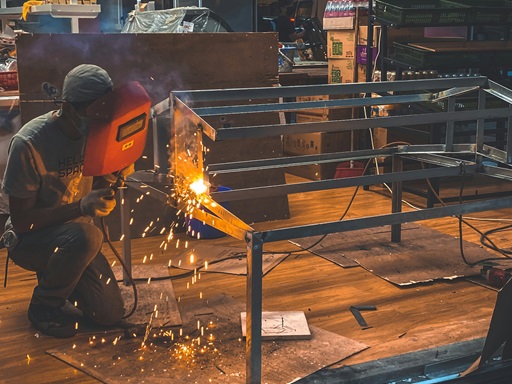
Metalworking supports nearly every major manufacturing industry in Mexico. Its supplier base includes companies specializing in machining, sheet-metal fabrication, casting, forging, welding, stamping, finishing, and structural components.
Typical products include:
- Industrial components
- Automotive and aerospace parts
- Fasteners and fittings
- Metal enclosures
- Frames and structures
- Tools and molds
- Commercial and outdoor furniture
- Custom-fabricated products
- Jewelry
When sourcing metal components, companies should provide detailed drawings, material specifications, tolerances, finishes, expected volumes, testing requirements, and packaging instructions.
The lowest quotation is not necessarily the best option. Equipment, production capacity, quality controls, material sourcing, and experience with similar components should also influence supplier selection.
Plastics and Injection Molding
Mexico has a broad plastics-manufacturing industry supporting automotive, medical, electronics, packaging, agriculture, construction, and consumer-product companies.
Available processes include:
- Plastic injection molding
- Thermoforming
- Blow molding
- Extrusion
- Rotational molding
- Plastic packaging
- Heat staking and product assembly
Injection-molding projects may require an existing mold, modification of a transferred mold, or development of new tooling. Before requesting quotations, buyers should define the resin, dimensions, tolerances, finish, annual volume, number of cavities, color requirements, secondary operations, and packaging.
Tool ownership, maintenance responsibilities, expected mold life, storage, and intellectual-property protections should be established before production begins.
Textile Manufacturing
Mexico’s textile and apparel industry produces fabrics, garments, uniforms, upholstery, technical textiles, footwear components, and sewn consumer products.
Its proximity to the United States can facilitate communication, sampling, design revisions, and replenishment compared with more distant sourcing locations. However, capabilities vary significantly between suppliers.
Before selecting a textile manufacturer, companies should evaluate:
- Fabric and material availability
- Cutting and sewing capabilities
- Printing, sublimation, or embroidery
- Pattern development
- Minimum order quantities
- Sample-development costs
- Quality consistency
- Packaging and labeling
Projects involving proprietary patterns or designs should also use appropriate confidentiality and manufacturing agreements.
Glass Manufacturing Mexico
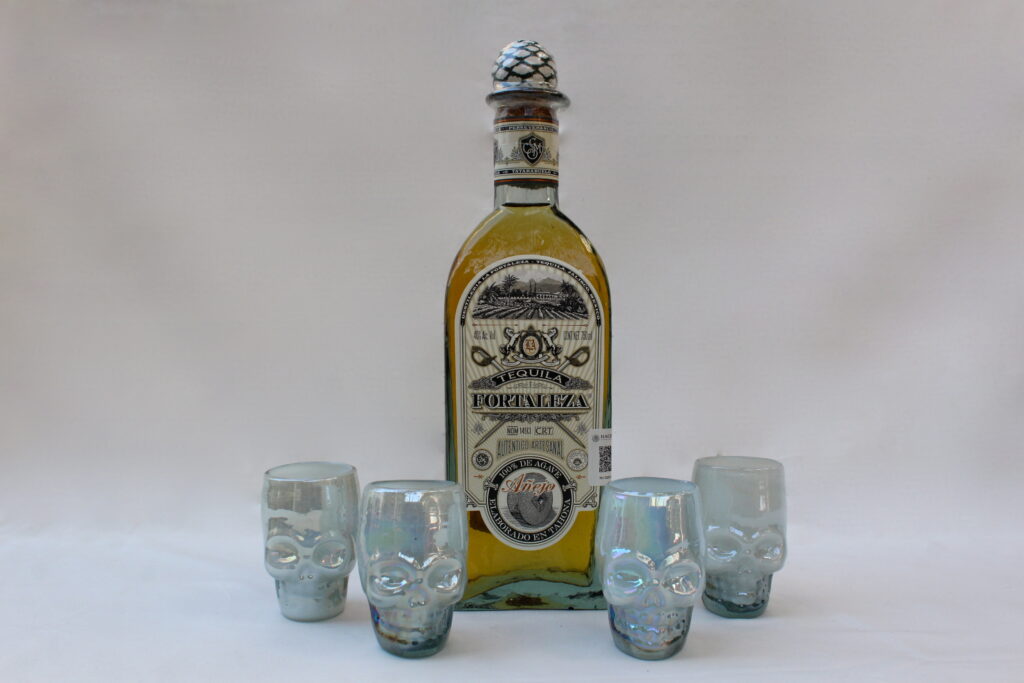
Mexico has experience producing industrial, architectural, packaging, and decorative glass products. Available products include beverage bottles, food containers, tableware, panels, lighting components, vases, decorative objects, and hand-blown glass.
Manufacturing methods and quality levels vary by product. Industrial glass production may use automated molds and high-volume processes, while hand-blown glass provides greater variation and craftsmanship.
Buyers should define:
- Dimensions and tolerances
- Glass color and composition
- Required mold or tooling
- Surface finish
- Decoration or printing
- Food-contact requirements
- Packaging and drop-testing expectations
- Acceptable variation between pieces
Glass products also require careful packaging and logistics planning because weight, fragility, pallet configuration, and replacement rates can substantially affect the final cost.
Mexico Furniture Industry
Mexico manufactures residential, hospitality, commercial, office, and outdoor furniture using wood, metal, glass, textiles, plastics, and mixed materials.
The industry includes both high-volume factories and smaller workshops specializing in handcrafted or custom products. This diversity creates opportunities for different types of projects, but it also makes supplier qualification essential.
Companies should evaluate construction methods, materials, finishes, moisture control, packaging, load testing, production capacity, and export experience. Furniture packaging deserves particular attention because dimensional weight and transportation damage can have a significant effect on total landed cost.

How to Find a Manufacturer in Mexico
Finding a manufacturer requires more than obtaining a list of company names. A supplier may advertise the correct process but still lack the equipment, capacity, quality systems, certifications, or commercial interest required for a particular project.
A structured sourcing process generally includes:
- Defining the product and technical requirements.
- Identifying manufacturers with relevant capabilities.
- Contacting and screening potential suppliers.
- Requesting and comparing quotations.
- Reviewing certifications, equipment, capacity, and experience.
- Developing samples or prototypes.
- Confirming quality standards and inspection procedures.
- Negotiating commercial and manufacturing terms.
- Coordinating production, packaging, and logistics.
Before requesting quotations, companies should prepare drawings, specifications, materials, estimated volumes, target pricing when appropriate, packaging requirements, destination, and expected schedule.
How ISEB Supports Manufacturing and Sourcing Projects
ISEB helps international companies identify, contact, and evaluate manufacturers in Mexico. Support can be adapted to the complexity and stage of each project.
Our services can include:
- Manufacturer and supplier research
- Supplier outreach in English and Spanish
- RFQ preparation and quotation collection
- Capability and certification review
- Sample-development coordination
- Quotation comparison
- Communication and negotiation support
- Production follow-up
- Packaging and logistics coordination
Every project is evaluated individually because supplier availability, pricing, lead times, minimum order quantities, certifications, tooling, and export requirements vary by product.
Frequently Asked Questions | Manufacturing in Mexico
What are the major manufacturing industries in Mexico?
Mexico’s major manufacturing industries include automotive, aerospace, electronics, medical devices, metalworking, plastics, textiles, appliances, furniture, and glass. The country also has important food, beverage, pharmaceutical, chemical, and consumer-product industries.
What products are commonly manufactured in Mexico?
Mexico manufactures vehicles, automotive components, electronics, medical devices, machinery, metal parts, plastic products, textiles, furniture, appliances, glass products, food, beverages, and many other industrial and consumer goods.
What are the principal manufacturing regions in Mexico?
The Bajío has strong automotive, aerospace, and machinery clusters. Northern Mexico is important for automotive, aerospace, electronics, appliances, and medical devices. Jalisco is recognized for electronics, technology, plastics, furniture, and traditional manufacturing industries.
How can a U.S. company find a reliable manufacturer in Mexico?
A U.S. company should define its technical and commercial requirements, identify manufacturers with the correct capabilities, verify their experience and certifications, compare quotations, develop samples, and conduct appropriate supplier qualification before starting production.
Looking for a manufacturer in Mexico?
Tell ISEB about your product, materials, estimated volume, technical requirements, and target schedule. Our team can evaluate your project and help identify suitable manufacturing partners in Mexico.