

Table of Contents
Mexico is home to hundreds of tequila brands, but a small group of traditional, additive‑free producers consistently stand out with bartenders and agave enthusiasts. For drinkers who care about flavor, transparency, and heritage, names like Cascahuin, AgaveLuz, Siete Leguas, Fortaleza (Los Abuelos), and Tequila Ocho sit at the very top of the list.
What does 100% agave Tequila mean?
Tequila is first divided into two basic categories by ingredients. Tequila labeled “100% agave” is made only from blue Weber agave sugars, while “mixto” tequila can include up to 49% non‑agave sugars from sources like cane sugar. Bottles that say “100% de agave” must be bottled in the designated tequila region of Mexico, while mixtos can be shipped in bulk and bottled elsewhere.
Why These Tequilas Stand Out
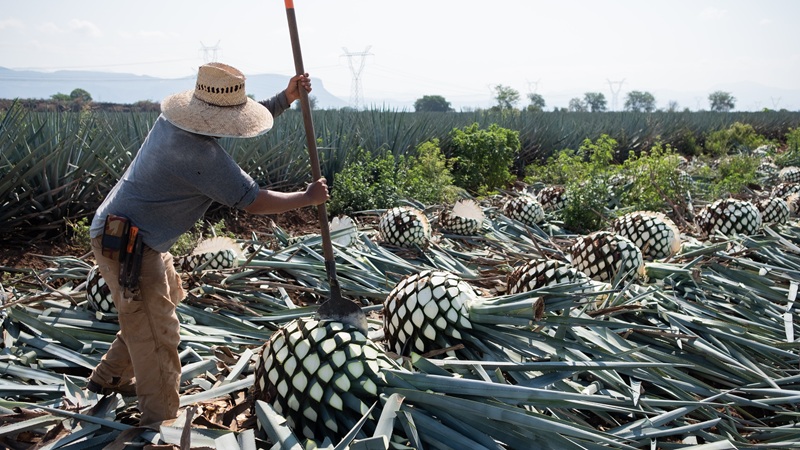
These producers focus on slow, traditional methods: blue agave, careful cooking, patient fermentation, and gentle distillation that preserves the plant’s character. Many of their bottlings are known for being free of artificial sweeteners, coloring, or “smoothness” additives, which is a major reason tequila purists seek them out in Mexico.
- Strong reputation among bartenders and agave collectors in Jalisco and abroad.
- Limited production and traditional techniques that highlight cooked agave, minerality, and natural sweetness.
Best Tequila In Mexico: A Guide For Agave Lovers
Our team of expert tequila sources comes up with the next list of best tequilas in Mexico, highlighting producers and expressions that reflect true craftsmanship, terroir, and tradition for discerning agave enthusiasts.
Cascahuin 55-25: High‑Proof Valley Tequila
Cascahuin is a cult‑favorite distillery in El Arenal, Jalisco (NOM 1123), often recommended as one of the best tequilas to buy in Mexico. Its high‑proof bottlings, including special expressions around 55% and 25% ABV, are prized for intense roasted agave, pepper, and mineral notes that shine in neat pours or bold cocktails.
- Ideal for serious agave drinkers who want to taste pure valley agave character without heavy oak influence.
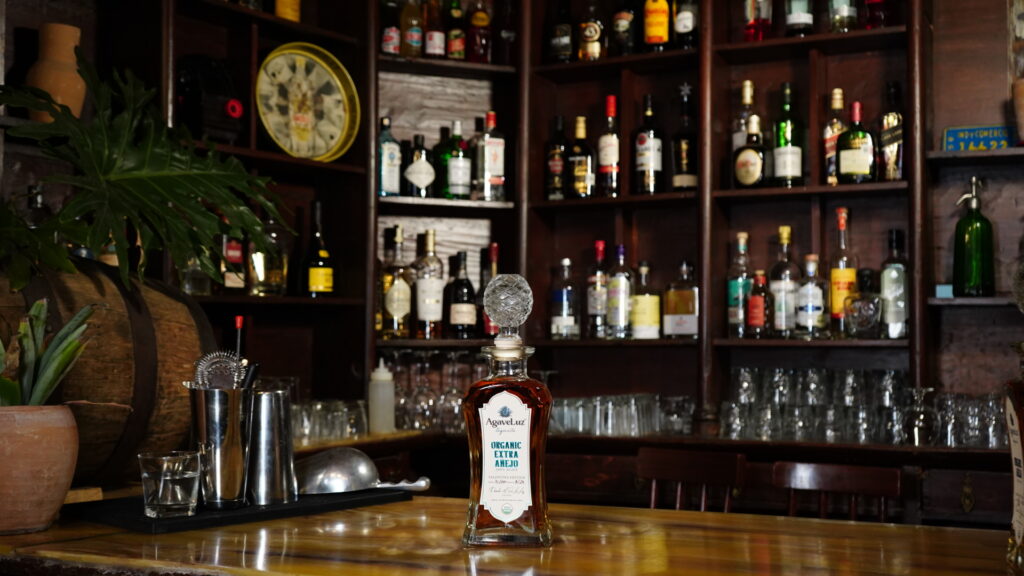
AgaveLuz Extra Añejo: Ultra‑Aged Luxury
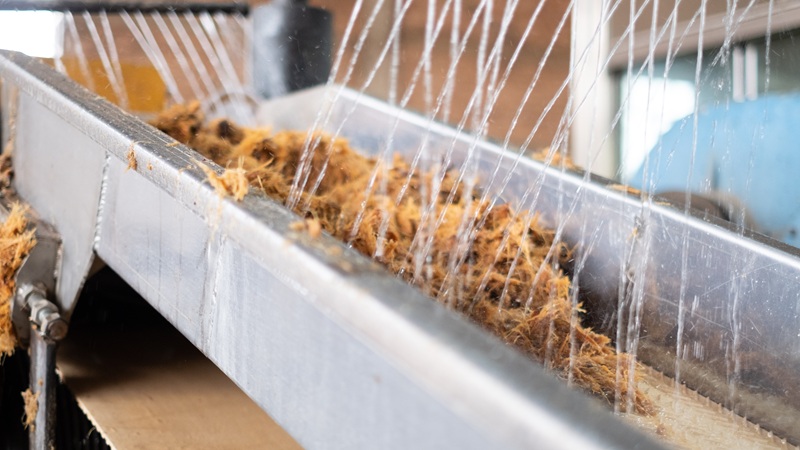
AgaveLuz focuses on organic, additive‑free tequila, and its Extra Añejo is positioned as a luxury sipping bottle aged for many years in American oak barrels. Extended aging builds a deep amber color and layered flavors of cooked agave wrapped in caramel, vanilla, butterscotch, maple, and warm baking spices while still keeping the spirit balanced.
- Crafted from 100% organic blue agave and aged far beyond the minimum three‑year requirement for the Extra Añejo category.
- Best enjoyed neat in a tulip glass, where the rich aromas and long, dessert‑like finish can fully open up.
Siete (7) Leguas: Classic, Old‑School Profile
Siete Leguas is often described as a benchmark “old‑school” tequila, with a reputation for robust agave flavor and a touch of rustic character. Enthusiasts frequently compare it to other icons like El Tesoro, Fortaleza, and Tequila Ocho when discussing high‑end blancos and reposados.
- Known for strong, cooked agave, pepper, and herbal notes that work beautifully in classic cocktails like the margarita or paloma.
- A favorite recommendation for drinkers moving from mass‑market brands into more traditional Mexican tequilas.
Fortaleza / Los Abuelos: Traditional And Highly Sought‑After
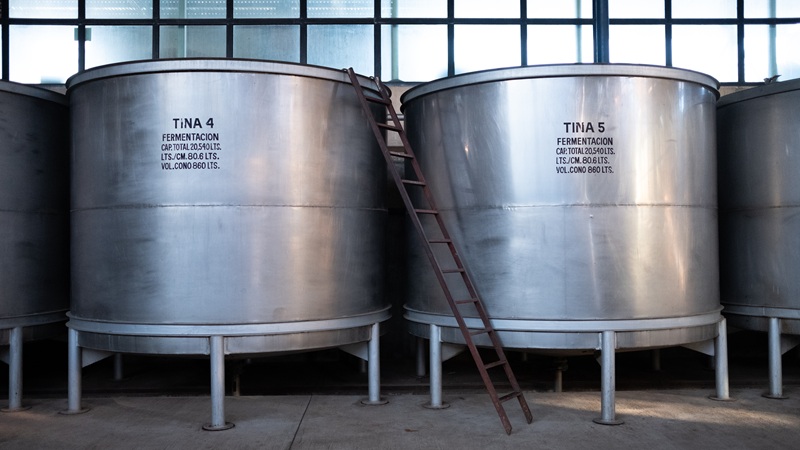
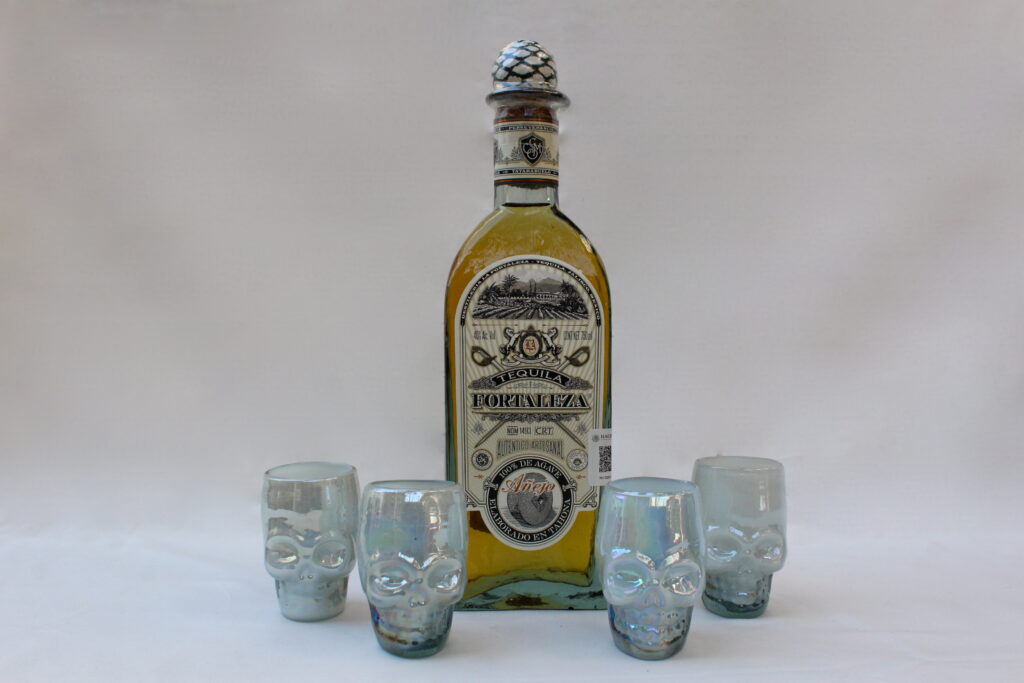
Fortaleza (sold as Los Abuelos in parts of Mexico) is one of the most coveted small‑batch tequilas, often hard to find due to limited production. Produced in stone‑lined ovens with tahona milling, Fortaleza is widely praised for sweet cooked agave, subtle citrus, and a creamy texture that makes it an ideal sipping tequila.
- Frequently ranked at or near the top when enthusiasts compare premium blancos and reposados.
- The brand’s “Still Strength” and other higher‑proof releases are especially popular among collectors for their concentrated flavors.
Tequila Ocho: Single‑Estate Agave Terroir
Tequila Ocho is famous for showcasing terroir—each release highlights agave from a specific field and vintage, making it a favorite among connoisseurs. Its blancos and reposados are often described as intensely aromatic, with bright cooked agave, floral notes, and a bit more heat than Fortaleza, which many drinkers enjoy.
- Ideal for tasting side‑by‑side across different ranchos to experience how soil and climate change the flavor of agave.
- Frequently recommended as a partner to Fortaleza for drinkers who want more expressive aromas and a slightly bolder profile.
Quick Comparison Of Top Mexican Tequilas
| Brand / Expression | Key Style Highlight | Best Use |
|---|---|---|
| Cascahuin 55-25 | High‑proof, intense valley agave and minerality | Serious sipping, bold cocktails |
| AgaveLuz Extra Añejo | Long‑aged, organic, dessert‑like oak and agave depth | After‑dinner neat pour |
| 7 Leguas | Classic, robust agave with rustic charm | Margaritas, palomas, neat |
| Fortaleza / Los Abuelos | Traditional, creamy, sweet cooked agave and subtle citrus | Premium sipping |
| Tequila Ocho | Single‑estate, highly aromatic terroir‑driven agave | Flights and tastings |
FAQs | Best Tequila In Mexico
How to start a tequila brand?
Starting a tequila brand involves regulatory compliance, production strategy, and export planning, all of which can vary significantly by methodology and target market. At ISEB, we provide end-to-end guidance and can quote different brand models and production approaches—including options such as exporting mixto (mixed agave) tequila internationally—based on your commercial goals and budget.
Why is tequila only made in Mexico?
Tequila is only made in Mexico because it is a protected Denomination of Origin, meaning it can legally be produced only in specific regions of Mexico using blue Weber agave and regulated production methods. This protection preserves the spirit’s authenticity, quality standards, and cultural heritage.
What is the Denomination of Origin for tequila?
It is a legal designation that restricts tequila production to specific regions in Mexico and mandates the use of blue Weber agave and regulated processes to ensure authenticity and quality.
What is the difference between tequila and other agave spirits?
Tequila is made exclusively from blue Weber agave in designated Mexican regions, while other agave spirits, such as mezcal, can use different agave varieties and production methods.