
Table of Contents
Blown glass in Mexico represents a combination of history, craftsmanship, regional identity, and contemporary design. Mexican artisans transform molten glass into drinking glasses, vases, decorative spheres, lighting components, sculptures, and many other functional and artistic pieces.
Although every workshop has its own methods and visual style, Mexican blown glass is often recognized for its vibrant colors, handcrafted details, recycled materials, and subtle variations between pieces.
This guide explains the history of blown glass in Mexico, how artisans produce it, the regions associated with the craft, and the characteristics that distinguish handmade glass from standardized industrial products.
The History of Blown Glass in Mexico
Glassmaking arrived in Mexico during the colonial period. Historical accounts commonly associate some of the country’s earliest glass production with Puebla during the 16th century, when craftspeople brought European glassmaking techniques to New Spain.
Over time, Mexican artisans adapted these methods to local materials, colors, decorative traditions, and consumer needs. Glassmaking developed alongside other established crafts such as ceramics, metalwork, woodworking, and textile production.
Rather than simply reproducing European designs, workshops gradually developed recognizable Mexican styles. Bright colors, visible bubbles, organic shapes, and the use of recycled glass became common features in many regional products.
The craft continues to evolve. Traditional workshops still produce glass by hand, while designers and businesses collaborate with artisans to create contemporary collections, lighting, tableware, decorative objects, and custom pieces.
What Is Blown Glass?
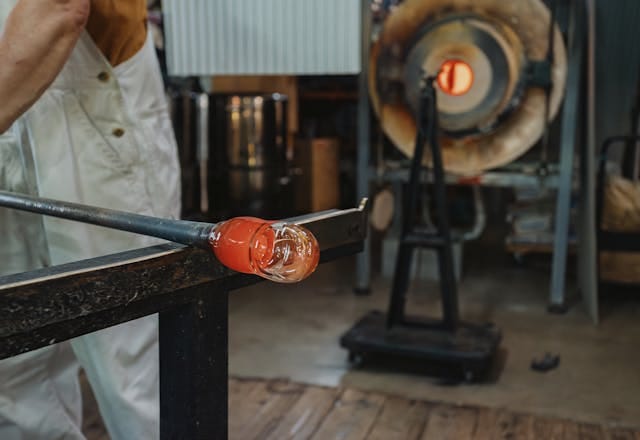
Blown glass is made by introducing air into molten glass through a hollow metal tube known as a blowpipe. The air creates a bubble inside the hot material, allowing the glassmaker to expand and shape it.
The artisan must constantly rotate the blowpipe because molten glass responds to heat and gravity. If the movement stops or the temperature becomes uneven, the piece can lose its shape.
Glassmakers use hand tools, wet wood, metal implements, molds, gravity, and controlled reheating to transform the initial bubble into the desired object.
The process requires coordination, experience, and an understanding of how glass behaves at different temperatures. Even a simple drinking glass involves several stages of gathering, blowing, shaping, reheating, finishing, and cooling.
What Is Mexican Blown Glass Made Of?
The material used depends on the workshop and the intended product. It may include newly formulated glass, recycled glass known as cullet, or a combination of materials.
Recycled glass is widely associated with Mexican glassware. Workshops can collect, sort, clean, and remelt discarded glass to produce new objects. The original material can influence the final color, transparency, and consistency of the piece.
However, not every Mexican glass product is made from recycled material. Buyers who require a particular composition, food-contact suitability, color, or technical characteristic should confirm the specifications with the producer.
Color can be introduced using minerals, pigments, colored glass, surface treatments, or decorative applications. The exact method influences the appearance, durability, and repeatability of the finish.
How Mexican Blown Glass Is Made
Techniques vary between workshops, but most hand-blown glass production follows several fundamental stages.
1. Preparing and Melting the Glass
Glass or cullet is placed in a furnace and heated until it reaches a molten, workable state. The required temperature depends on the composition of the material and the production method.
The glassmaker collects a portion of molten glass on the end of the blowpipe. This step is often called gathering the glass.
2. Creating the Initial Bubble
The artisan blows through the opposite end of the pipe to introduce air into the molten material. This creates the initial bubble that will become the interior of the object.
The piece is rotated continuously to maintain its balance and prevent the hot material from deforming under its own weight.
3. Shaping the Piece
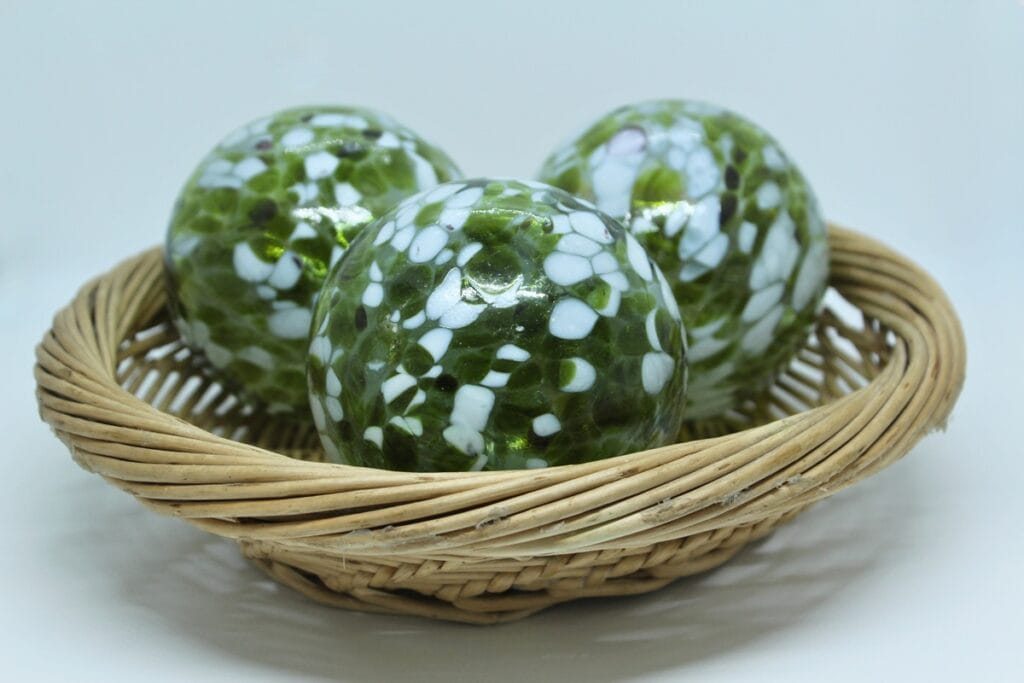
The glassmaker shapes the material using rotation, gravity, hand tools, wet wood, metal implements, and sometimes molds.
The piece may be returned to the furnace several times. Reheating keeps the glass sufficiently flexible while the artisan adjusts its dimensions and form.
Additional elements such as handles, stems, bases, colored details, or decorative applications can be attached while the glass remains hot.
4. Finishing the Design
Once the principal form is complete, the glassmaker separates the piece from the blowpipe and finishes areas such as the rim or base.
Depending on the design, the finished product may also receive engraving, sandblasting, painting, etching, decals, metallic finishes, or other forms of decoration.
5. Annealing the Glass
The completed piece is placed in an annealing oven, where it cools gradually under controlled conditions.
This stage is essential. Cooling glass too quickly or unevenly can create internal stress, making the piece more likely to crack or break. The annealing time depends on the thickness, dimensions, and shape of the product.
6. Inspection and Packing
After cooling, the piece can be inspected for cracks, sharp edges, instability, dimensional issues, and visual defects.
Products intended for sale or transportation must then be packed according to their size, shape, weight, and fragility. Dividers, foam, individual boxes, reinforced cartons, and palletization may be required.
Important Blown Glass Regions in Mexico
Blown glass is produced in different parts of Mexico, but some regions are particularly associated with the history and continuation of the craft.
Jalisco
Tlaquepaque and Tonalá are well known for their artisan traditions. Workshops in the Guadalajara metropolitan area create tableware, decorative pieces, lighting, sculptures, ornaments, and customized products.
The area is also recognized for ceramics, furniture, metalwork, and other decorative arts. This concentration of crafts has encouraged collaboration between artisans, designers, retailers, restaurants, hotels, and exporters.
Puebla
Puebla holds an important place in the history of Mexican glassmaking. The state continues to have workshops and manufacturers producing decorative glass, tableware, bottles, and other glass products.
Other Production Areas
Glass products are also manufactured in the State of Mexico and other industrial regions. Some companies specialize in containers, processed glass, packaging, or larger-scale manufacturing rather than artisan blown glass.
The most appropriate region depends on the type of product. A buyer seeking handmade character and small-batch variation may need a different workshop than a company requiring industrial capacity and strict dimensional consistency.
What Makes Handmade Mexican Glass Unique?
Handmade glass does not always look identical from one piece to another. Small differences can appear in shape, thickness, dimensions, color, and bubble distribution.
These characteristics are not necessarily defects. In many products, they demonstrate that the glass was formed individually rather than produced through a fully automated process.
Common characteristics of hand-blown glass can include:
- Small bubbles within the glass
- Slight variations in dimensions
- Organic rather than perfectly uniform shapes
- Differences in color intensity
- Visible pontil or finishing marks
- Variation in wall thickness
For decorative and artisan products, these differences often contribute to the appeal of the piece. For commercial projects, buyers and producers should agree on acceptable tolerances before production begins.
Common Mexican Blown Glass Products
Mexican workshops produce a broad range of decorative and functional pieces, including:
- Drinking glasses and tumblers
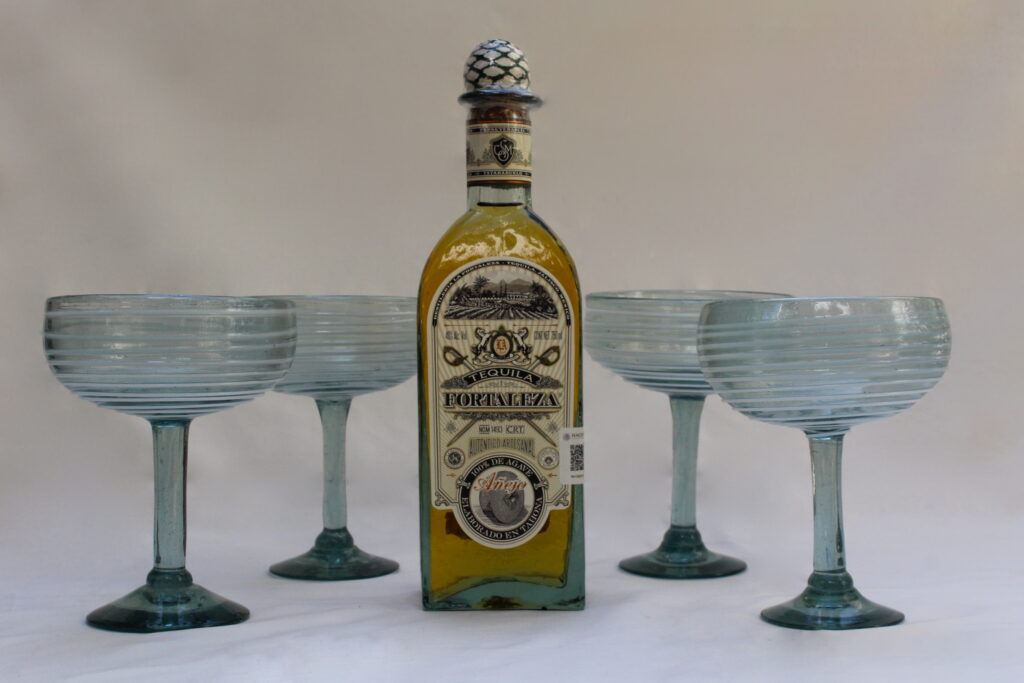
- Tequila and mezcal glasses
- Margarita and cocktail glasses
- Goblets and stemware
- Pitchers and carafes
- Bowls and serving pieces
- Vases and planters
- Decorative spheres and ornaments
- Lamps and lighting components
- Sculptures and art installations
- Custom decorative pieces
- Collections for retailers, restaurants, and hotels
Each workshop has different equipment, experience, furnace dimensions, finishing capabilities, and production capacity. A supplier that specializes in drinking glasses may not be suitable for large lighting pieces or sculptural installations.
Recycled Glass in Mexican Craftsmanship
Recycled glass has become one of the best-known characteristics of Mexican glassware. Reusing glass can reduce the demand for new raw materials and give discarded material another productive life.
Recycled glass can also create recognizable visual effects. Slight color changes, bubbles, and variations in transparency may reflect the composition of the recycled material.
Nevertheless, recycled content should not be assumed. Workshops use different formulas and sourcing methods, and some applications require more controlled materials.
Businesses should confirm whether recycled glass is being used, what percentage is included, and whether the resulting material is appropriate for the product’s intended function.
Choosing Blown Glass for a Business Project
Restaurants, hotels, retailers, interior designers, beverage companies, and consumer brands may use Mexican blown glass for functional products, decoration, special collections, or branded merchandise.
A project normally begins with a concept, drawing, reference sample, or technical description. Important details can include dimensions, capacity, color, transparency, approximate weight, acceptable variation, decoration, packaging, quantity, and intended use.
Sampling is particularly important. A prototype allows the buyer and workshop to evaluate proportions, stability, appearance, functionality, and packaging before approving a larger order.
Businesses interested in developing a custom collection can learn more about ISEB’s glass export services in Mexico. This separate service page explains the commercial support available for custom and international projects.
Blown Glass Bottles and Specialty Pieces
Blown glass can also be used for decorative bottles, presentation pieces, and limited-edition designs. These products may appeal to tequila, mezcal, fragrance, hospitality, and premium gift brands.
However, a decorative bottle and a commercial beverage container do not necessarily have the same requirements. Bottles intended for filling lines, closures, labeling, transportation, or regulated products require additional technical evaluation and consistency.
Projects involving commercial bottles should distinguish between artisan blown glass and industrial container manufacturing before selecting a supplier.
Caring for Hand-Blown Glass
Care instructions depend on the design, thickness, decoration, and intended use of the piece.
Some handmade glassware may be suitable for regular household use, while delicate pieces or products with applied decoration may require hand washing. Sudden temperature changes should generally be avoided because thermal shock can damage glass.
Consumers and commercial buyers should follow the producer’s instructions regarding dishwashers, hot liquids, food contact, and temperature limitations.
Frequently Asked Questions About Blown Glass in Mexico
What types of blown glass are made in Mexico?
Mexican workshops produce drinking glasses, pitchers, bowls, vases, spheres, ornaments, lamps, sculptures, decorative bottles, and many other functional and artistic objects.
Is Mexican blown glass handmade?
Many Mexican blown glass products are made primarily by hand, although workshops may also use molds and specialized tools. The amount of manual work depends on the product and production method.
Is all Mexican blown glass made from recycled glass?
No. Recycled glass is common, but not every manufacturer or product uses it. The composition should be confirmed directly with the producer.
Why does handmade glass contain bubbles?
Small bubbles can form during melting and blowing. In artisan glass, they are often accepted as part of the handmade appearance. Commercial projects should establish limits if bubble size or frequency affects the product requirements.
Is Mexican blown glass lead-free?
Lead-free glass is available, but material claims should be confirmed for each product. Glass intended for food or beverage use may require additional specifications, documentation, or testing.
Can Mexican artisans produce custom designs?
Many workshops can develop custom shapes, dimensions, colors, and finishes. Depending on the design, a project may require a mold, technical drawing, physical sample, or prototype.
Where can I buy Mexican blown glass?
ISEB offers selected Mexican glassware and decorative pieces through our online blown glass shop. Availability depends on the current collection and inventory.
Discover Mexican Blown Glass
Mexican blown glass reflects centuries of accumulated knowledge and the creativity of the artisans who continue developing the craft. Every piece brings together heat, movement, timing, material, and individual skill.
Whether used as tableware, decoration, lighting, or art, blown glass offers a distinctive connection between traditional craftsmanship and contemporary design.
Explore available pieces in the ISEB glass shop. Businesses looking for custom designs or international projects can review our glass export services.