
Table of Contents
Mexico offers several routes for sourcing glass bottles, from industrial production for established beverage brands to artisan workshops for smaller, distinctive projects. The right supplier depends on your bottle design, order volume, closure, decoration, quality requirements, and delivery destination.
This guide explains how to compare glass bottle manufacturers in Mexico, what to prepare before requesting a quote, and when a standard bottle may be a better starting point than a custom mold.
Jalisco Glass Manufacturers
Jalisco is a pivotal region for glass manufacturing in Mexico, known for its rich artistic heritage. The state’s artisans combine traditional methods with modern technology to produce an impressive array of glass products. This blend ensures quality and creativity, making Jalisco a go-to destination for high-quality glass bottles.
The atmosphere brimming with creativity makes Jalisco’s glass manufacturers truly exceptional. Their commitment to quality ensures that every piece not only serves a functional purpose but also stands as an artwork reflecting Mexican artistry.
Tonala & Tlaquepaque
Tonala and Tlaquepaque are two vibrant towns in Jalisco, Mexico, known for their rich glassmaking traditions. Both places have a long history of artisanal crafts that attract visitors from all over the world. The streets are lined with workshops where artisans create stunning pieces that showcase both skill and creativity.
In Tonala, you’ll find numerous workshops dedicated to glass production. Local craftsmen use traditional techniques passed down through generations. Their expertise shines through in each bottle they create, making them unique works of art rather than just containers.
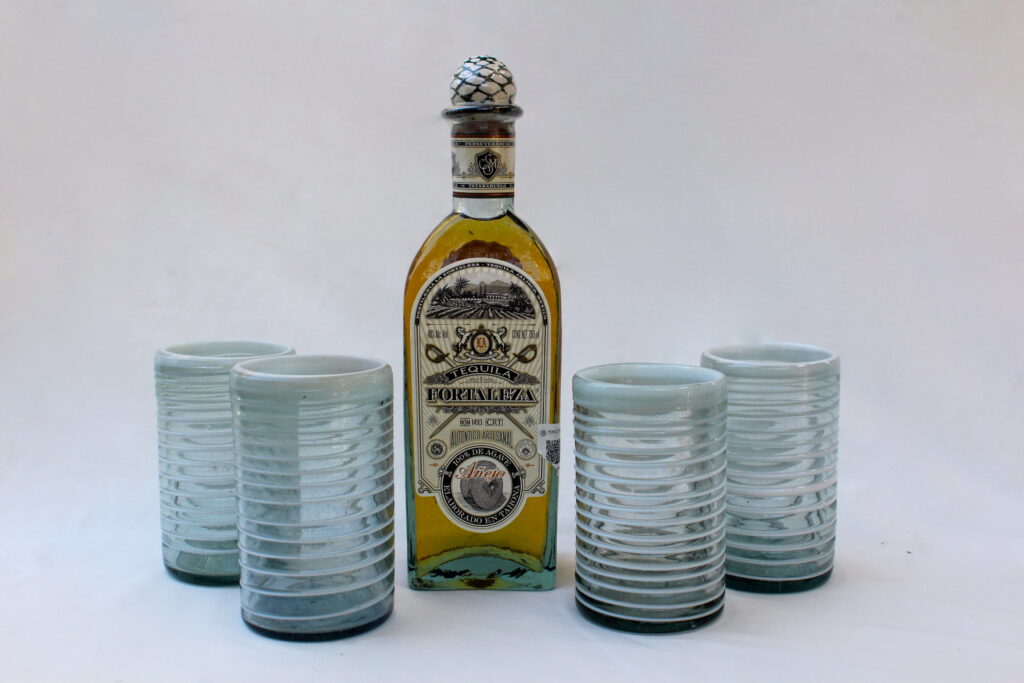
Tlaquepaque complements this craftsmanship with its lively atmosphere and colorful markets. Here, you can explore boutiques filled with beautiful glassware alongside other forms of Mexican artistry. Each shop tells a story about the heritage behind these creations.
The collaboration between artists in these two towns fosters innovation while preserving age-old practices. As demand for custom designs grows, so does the willingness of manufacturers to adapt to new trends without losing authenticity.
Bottle Manufacturers in Mexico
Mexico is home to a thriving glass bottle manufacturing industry. These manufacturers produce a wide range of bottles that cater to various sectors, including food and beverage, cosmetics, and pharmaceuticals. The country’s strategic location provides easy access to international markets while fostering local growth.
Different types of glass production techniques are employed by these manufacturers.
Here are the main types of glass production techniques:
- Hand-blown Glass
This technique involves inflating molten glass into a bubble using a blowpipe. It is commonly used for creating artistic glass objects and containers like bottles. - Press-and-Blow Method
Used primarily for jars and narrow-neck containers, this process involves pressing molten glass into a mold to form an initial shape (parison), followed by blowing air to finalize the design. - Blow-and-Blow Method
This technique is specific to narrow-neck containers like bottles, where air is blown into molten glass twice—first to create the parison and then to achieve the final shape.
These techniques range from artisanal methods to large-scale industrial processes, showcasing the versatility of glass production.
Examples of Glass Bottle Manufacturers in Mexico
The companies below illustrate different options in the Mexican glass packaging market. Their inclusion is for research purposes; confirm current product availability, minimum orders, and project fit directly before choosing a supplier.
- Saverglass manufactures and decorates glass bottles at its facility in Acatlán de Juárez, Jalisco, with a focus on premium spirits and wines.
- FEVISA produces glass packaging for food and beverage companies and reports manufacturing operations in Mexicali and San Luis Potosí.
- PAVISA offers glass packaging for spirits, food, and beauty products, including standard and distinctive bottle designs.
Start with the manufacturer whose product range matches your intended use. Then compare the available bottle specifications, decoration options, minimum order quantity, production schedule, and shipping requirements. A catalog bottle may work for a first run, while a custom design generally requires a more detailed technical and commercial review.
Bottle weight is another specification worth discussing. Some manufacturers now offer lighter glass designs, but a lighter bottle still needs to meet the requirements of your filling line, closures, handling, and distribution. Ask for a sample and technical specifications before committing to production.
Machine-Made vs Hand-Blown Glass
Here is a comparison of machine-made glass and blown glass:
| Aspect | Machine-made Glass | Hand-Blown Glass |
|---|---|---|
| Production Process | Made using automated machinery that molds and shapes molten glass with compressed air or spinning. | Created by artisans who manually blow air into molten glass using a blowpipe. |
| Consistency | Highly consistent and identical pieces, ideal for mass production. | Each piece is unique due to the handmade process, often with slight variations in shape or texture. |
| Cost | Unit cost and mold investment depend on order volume, design, and production requirements. | Labor and production time can affect cost; request a quote for the specific design and quantity. |
| Durability | Depends on bottle design, glass thickness, manufacturing controls, and intended use. | Also depends on bottle design, glass thickness, manufacturing controls, and intended use. |
| Aesthetic Appeal | Offers clean, seamless lines but lacks the character of handmade items. | Known for its artistic and organic feel, with visible craftsmanship in each piece. |
| Applications | Commonly used for bottles, household glassware, and industrial purposes. | Preferred for decorative items, custom designs, and high-end glassware. |
How to Source Glass Bottles from Mexico
Choosing the right supplier involves more than comparing unit prices. Buyers should evaluate the manufacturer’s production capabilities, minimum order quantities, customization options, quality controls, packaging standards, and export experience.
Minimum Order Quantities
Minimum order quantities vary depending on the production method, bottle design, decoration, and manufacturer. Standard bottles generally have lower minimums, while custom molds and specialized finishes may require larger production runs. Confirm the minimum quantity before beginning design work or requesting samples.
Standard Bottles vs Custom Molds
Standard bottle models can reduce development costs and shorten the purchasing process. A custom bottle provides greater brand differentiation but may require mold development, technical drawings, prototypes, testing, and higher order volumes.
Before choosing a custom mold, confirm who will own it, where it will be stored, how long it can be used, and whether maintenance or replacement costs apply.
Decoration and Finishing Options
Depending on the supplier, customization may include screen printing, labeling, frosting, painting, embossing, decals, and custom colors. Buyers should verify compatibility between the decoration, the product, and the intended distribution conditions.
Quality Control
Quality requirements should be established before production. Inspections may include dimensional checks, capacity verification, visual defect inspection, color consistency, packaging review, and compatibility testing with closures, labels, and filling equipment.
Request approved samples or production specifications to create a clear quality reference for future orders.
Packaging and Export Considerations
Glass bottles require protective packaging to reduce damage during storage and transportation. Confirm the carton configuration, dividers, pallet dimensions, labeling, and loading method with the supplier.
International buyers should also define the Incoterm, shipping destination, customs requirements, and responsibility for export documentation before placing the order.
Information to Provide When Requesting a Quote
To receive a useful quotation, provide:
- Intended use and product category
- Bottle capacity and approximate dimensions
- Standard or custom design
- Preferred glass color
- Closure or neck finish requirements
- Decoration and labeling requirements
- Estimated order quantity
- Packaging requirements
- Delivery destination
- Target completion date
Providing this information helps manufacturers evaluate feasibility and prepare a more accurate quotation.
How ISEB Can Help You Source Glass Bottles in Mexico
ISEB helps buyers identify and communicate with potential glass bottle manufacturers and artisan workshops in Mexico. We can help define the requirements for a quotation, compare supplier responses, and coordinate questions about samples, customization, packaging, and shipping.
If you are developing bottles for a spirits, food, or cosmetics brand, contact ISEB with your estimated order quantity, bottle capacity, design references, destination, and target timeline. These details will help us assess the project and identify suitable sourcing options.
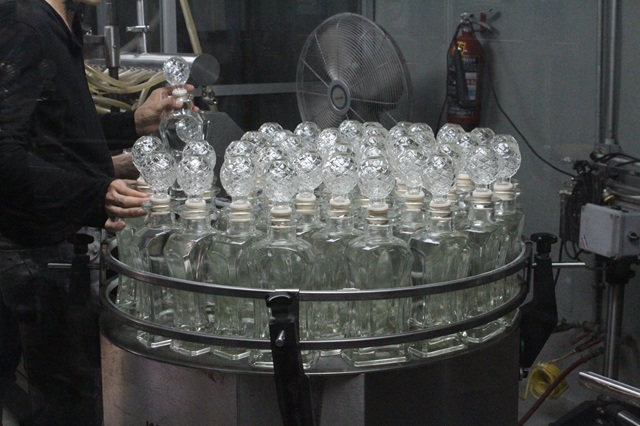
We’re experts in Tequila business development. Learn more in our blog or visit one of our Tequila success stories.
FAQs: Glass Bottle Manufacturers in Mexico
Why choose glass bottle manufacturers in Mexico?
Glass bottle manufacturers in Mexico offer competitive pricing, high-quality production standards, and proximity to the U.S. and Canadian markets. Many facilities operate under international certifications and support large-scale exports.
What types of glass bottles are manufactured in Mexico?
Mexican manufacturers produce a wide range of glass bottles, including liquor bottles, beer bottles, wine bottles, food and beverage containers, pharmaceutical bottles, and cosmetic packaging.
Which industries commonly source glass bottles from Mexico?
Key industries include alcoholic beverages (tequila, mezcal, beer, wine), food and beverages, pharmaceuticals, cosmetics, and personal care brands.
Are Mexican glass bottle manufacturers suitable for export markets?
Yes, many glass bottle manufacturers in Mexico are export-oriented and comply with international quality, safety, and packaging standards required for markets such as the United States, Europe, and Asia.
Can Mexican manufacturers produce custom glass bottles?
Yes, many glass bottle manufacturers in Mexico offer custom mold development, embossing, color variations, and brand-specific designs to meet unique packaging requirements.